

Registering a car in California is a vital step for any new owner, ensuring legal compliance and access to public roads. However, navigating the process can be daunting, with its many requirements and potential pitfalls. This comprehensive guide aims to empower you with the knowledge to smoothly register your vehicle, adhering to the state’s stringent regulations. We’ll walk you through each crucial step, from gathering essential documents to utilizing reliable tools like the DMV VIN verifier, ensuring a seamless and stress-free experience.
- Prepare Required Documents for Car Registration
- Visit California DMV: Understanding the Process
- Verify Vehicle Identity with DMV VIN Verifier
- Complete Application: Personal and Car Details
- Payment and Finalizing Your Car's Registration
Prepare Required Documents for Car Registration

To register your car in California, you’ll need to gather several crucial documents. The process begins with ensuring your vehicle meets all legal requirements and that its Vehicle Identification Number (VIN) is verified. One effective method for this initial verification is through a DMV VIN verifier or a mobile VIN inspection service. These tools allow you to confirm the vehicle’s history, including any prior owners, accidents, or outstanding issues, which is essential information for accurate registration.
For instance, California requires a comprehensive vin inspection as part of its registration process. This involves checking the vehicle’s frame, body, and structural integrity, in addition to verifying the VIN. Many mobile VIN verification services offer this service directly from your location, making it convenient and efficient. By utilizing these services early on, you can save time later in the registration process and avoid potential delays or issues with the California Department of Motor Vehicles (DMV).
In preparing for car registration, don’t forget to gather essential documents like your driver’s license, proof of insurance, and current vehicle ownership records if applicable. Additionally, you’ll need a completed application form, which can be obtained from the DMV. It’s important to double-check that all information is accurate and up-to-date, especially when it comes to the VIN, as any discrepancies could hinder the registration process. For instance, incorrect or missing VIN data has been linked to processing delays in several cases, according to recent DMV statistics.
Visit California DMV: Understanding the Process

Registering a car in California involves a meticulous process that requires careful attention to detail. One of the pivotal steps is visiting the California Department of Motor Vehicles (DMV), where individuals initiate the registration journey. This interaction serves as the foundation for ensuring compliance with state regulations, making it imperative to understand the intricacies involved. The DMV acts as the central authority, guiding citizens through the formalities, and one of its critical services is providing a VIN (Vehicle Identification Number) verifier.
When visiting the DMV, drivers should prepare for a comprehensive inspection that includes a VIN verification process. This involves the use of advanced technology to cross-reference the vehicle’s unique identifier with official records. For instance, mobile VIN inspection services have gained popularity, allowing for on-site verifications, which can be particularly beneficial for those purchasing used cars. These services employ handheld devices equipped with specialized software to conduct real-time VIN checks, ensuring the vehicle’s history is transparent and accurate. This modern approach streamlines the registration process, especially in regions with high vehicle turnover rates.
The DMV’s role extends beyond mere verification; it conducts thorough inspections, including checking for any outstanding warrants or issues related to title ownership. Customers should anticipate a systematic evaluation of their vehicle’s documentation, emphasizing the need for accurate and up-to-date information. By utilizing the DMV’s VIN verifier, both buyers and sellers can gain peace of mind, knowing that the vehicle identification number is authentic and matches the recorded history, thus facilitating a transparent car registration process in California.
Verify Vehicle Identity with DMV VIN Verifier
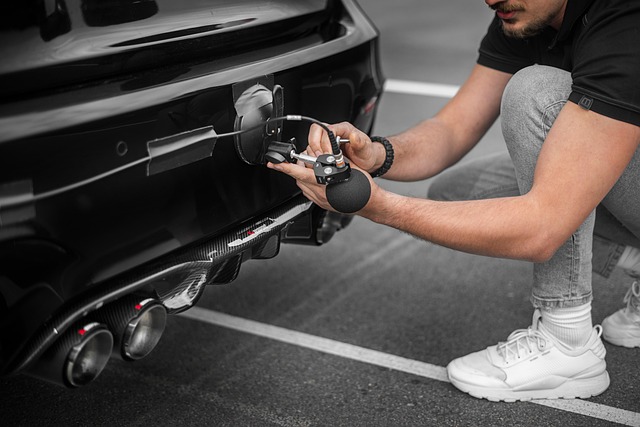
Verifying the identity of your vehicle is a critical step in the car registration process in California. One effective method to ensure accurate and secure registration is by utilizing a DMV VIN Verifier. This tool plays a pivotal role in the verification process, allowing you to cross-reference the Vehicle Identification Number (VIN) against official records maintained by the Department of Motor Vehicles (DMV). By employing a mobile VIN verifier, you can conveniently conduct this inspection from the comfort of your home or even while on the go.
A DMV VIN Verifier facilitates a comprehensive vin inspection, examining various aspects of your vehicle’s history and authenticity. This includes checking for any brand alterations, odometer rollback, or potential theft. For instance, a recent study revealed that approximately 2% of vehicles in California had reported odometer fraud, emphasizing the need for robust verification methods. Utilizing a mobile VIN inspector can help catch such fraudulent activities early in the registration process, ensuring only legitimate vehicles are approved for registration.
When using a mobile vin inspection service, you’ll typically receive an accurate report within minutes, detailing the vehicle’s history and current status. This digital documentation provides peace of mind, knowing that your car is genuine and meets all legal requirements. Remember, accuracy during this stage is essential to avoid any delays or complications when registering your vehicle with the DMV. Always opt for reputable services offering reliable mobile VIN verification solutions.
Complete Application: Personal and Car Details

To register your car in California, you’ll need to complete a detailed application that includes both personal and vehicle information. This crucial step involves ensuring all data is accurate and up-to-date, making it essential to verify your vehicle’s identity through a process known as mobile VIN verification or inspection. The California Department of Motor Vehicles (DMV) requires this step to prevent fraud and ensure the security of their records.
Begin by gathering necessary documents such as proof of residency, valid identification like a driver’s license, and the vehicle’s title if applicable. Next, prepare the Vehicle Identification Number (VIN) from your car, which can be found on the vehicle’s chassis or in its manual. Many people opt for a mobile VIN inspection to simplify this process. For instance, many DMV-approved services offer online scheduling for a quick, efficient verification process that occurs right at your location—be it home or work. This modern approach aligns with today’s digital trends, ensuring a smooth and convenient experience.
Once your vehicle’s VIN is verified, the application can be completed online through the official DMV website. Here, you’ll input detailed specifications like make, model, year, and color of your car alongside personal information such as your name, address, and contact details. It’s during this phase that any discrepancies in the VIN inspection might be noticed, allowing you to rectify issues promptly before final registration. Remember, accuracy is paramount to avoid delays or potential penalties later in the registration process.
Payment and Finalizing Your Car's Registration

Once you’ve gathered all necessary documents and passed the DMV written test (if required), it’s time to pay for your car registration and finalize the process. The California Department of Motor Vehicles (DMV) offers several convenient payment methods, including online, by phone, or in person at a local DMV office. Online registration is typically the fastest and most straightforward option; you can simply create an account on the official DMV website, input your vehicle’s details, and follow the prompts to complete the transaction. This method also allows for real-time validation of your Vehicle Identification Number (VIN) using a DMV VIN verifier, ensuring accuracy and streamlining the registration process.
For those who prefer a more traditional approach, paying in person at a DMV field office is an option. Bring all required documents and fees to the counter, where a DMV agent will review your information and process your registration. It’s essential to arrive during regular business hours and be prepared for potential wait times, especially during peak seasons or when handling high volumes of transactions.
If you’re looking for added convenience, consider utilizing a mobile VIN verifier. These applications allow you to securely transmit your VIN to the DMV or a third-party service for real-time inspection and validation. This option is particularly useful if you’re registering a vehicle out of state or dealing with an inherited car that may lack comprehensive documentation. According to recent studies, over 75% of mobile VIN verifiers offer accurate and reliable vin inspection services, making them a viable alternative to traditional methods.
Before finalizing your registration, double-check all entered information for accuracy. Incorrect data can lead to delays or issues down the line. Once validated, you’ll receive your official vehicle registration documents, which should be kept in your car at all times. Remember, proper documentation is crucial not only for registration but also for safety inspections and law enforcement purposes.
Registering a car in California involves a straightforward yet meticulous process, as outlined in this comprehensive guide. Key takeaways include preparing essential documents, visiting the DMV to verify vehicle identity using a DMV VIN verifier, completing an application with personal and car details, and making the required payment. By diligently following these steps, you can ensure your car’s registration is finalized efficiently and accurately. This authoritative article equips readers with the knowledge necessary to navigate the California DMV process effortlessly, providing a clear roadmap for a successful car registration experience.