

Registering a car in California is a vital step for any new owner, ensuring legal compliance and facilitating smooth operation on the state’s roads. However, navigating the process can be complex, with various requirements and potential pitfalls. This authoritative guide provides a comprehensive roadmap to demystify the registration procedure, focusing on a crucial aspect: Vehicle Identification Number (VIN) verification. By mastering this step, you’ll ensure accuracy and streamline an otherwise intricate task.
- Prepare Necessary Documents for Car Registration
- Understand California's Vehicle Identification Number (VIN) Verification Process
- Gather Information: Vehicle Details and Owner Data
- Visit a California Department of Motor Vehicles (DMV) Office or Use Online Services
- Pay Registration Fees and Complete Final Checks
Prepare Necessary Documents for Car Registration

When preparing to register your car in California, having all the necessary documents is just as crucial as ensuring your vehicle is roadworthy. Among these, the Vehicle Identification Number (VIN) plays a pivotal role. VIN verification is a critical step that ensures the authenticity and history of your car. In California, this process often involves utilizing a mobile VIN verifier to streamline the registration procedure.
For instance, many auto repair shops or specialized services offer mobile VIN inspection services, allowing you to get this done conveniently at your location. These verifiers access databases to confirm the vehicle’s details, including its make, model, year, and any previous owners. This step is essential as it helps prevent fraud and ensures compliance with state regulations. By utilizing a mobile VIN verifier, you can avoid the hassle of visiting a DMV office and potentially save time and money.
The California Department of Motor Vehicles (DMV) requires accurate and up-to-date information for registration. This includes verifying the VIN as part of their security measures. It’s advisable to have all necessary documents ready, such as the title, registration papers, and insurance proof. Additionally, maintaining a clean driving record and ensuring your vehicle meets safety standards will greatly facilitate the registration process. By proactively gathering and preparing these documents, you can ensure a smoother transition when registering your car in California.
Understand California's Vehicle Identification Number (VIN) Verification Process

In California, registering a car involves more than just filling out paperwork; it requires a rigorous process known as Vehicle Identification Number (VIN) verification. This step is crucial to ensure that every vehicle on California’s roads meets safety and environmental standards. The state employs both static and mobile VIN verification methods, with inspections conducted at designated centers or through services like mobile VIN inspection. During these checks, experts scrutinize various components, including the engine, emissions system, lights, tires, and safety features, to match them against the vehicle’s unique VIN record. This meticulous process helps prevent fraud, ensures vehicle history transparency, and safeguards consumer interests.
Mobile VIN verification has become increasingly popular due to its convenience and efficiency. Many professional services offer on-site inspections, allowing owners to get their vehicles checked without the hassle of visiting a fixed location. This is particularly beneficial for those with busy schedules or limited mobility. While traditional static inspections remain a standard practice, mobile vin inspection offers a more flexible alternative, especially in rural areas where access to official centers might be limited. It’s advisable for car owners to familiarize themselves with these processes and choose reputable service providers to ensure accurate and reliable VIN verification.
Moreover, understanding the specifics of your vehicle’s inspection can help you prepare for potential issues. Regular checks can identify wear and tear, enabling proactive maintenance and repair. According to the California Department of Motor Vehicles (DMV), vehicles that fail inspection must be remedied before they can be re-registered, highlighting the importance of a thorough understanding and adherence to these verification processes. By staying informed and keeping your vehicle in top condition through regular mobile or static VIN inspections, California car owners can enjoy peace of mind on the road.
Gather Information: Vehicle Details and Owner Data

Before registering your car in California, gathering accurate and complete information is crucial. This process begins with understanding the details of your vehicle and verifying its authenticity through a Vehicle Identification Number (VIN) inspection. The VIN is a unique 17-character code that serves as a fingerprint for your car, allowing you to access vital information about its make, model, year, and production history. In California, it’s recommended to conduct a mobile VIN inspection or utilize a mobile VIN verification service to ensure the vehicle’s authenticity before proceeding with registration.
During the VIN verification process, you’ll need to provide precise data such as the full VIN number, vehicle description (make, model, year), and owner information. The California Department of Motor Vehicles (DMV) requires this information for record-keeping purposes and to prevent fraud. Accurate VIN documentation not only speeds up the registration process but also safeguards against potential issues in the future, including insurance claims or legal disputes.
For instance, a mobile VIN inspection service can visit your location, perform a digital scan of the VIN plate, and cross-reference it with database records to ensure its validity. This method is particularly convenient for busy individuals who may not have time to visit a DMV office. Alternatively, many online platforms offer DIY VIN verification tools that guide users through the process, ensuring they gather the right data for submission. By taking these proactive steps, California residents can ensure a smooth car registration experience and maintain the integrity of their vehicle’s record.
Visit a California Department of Motor Vehicles (DMV) Office or Use Online Services

To initiate the registration process for your vehicle in California, you have two convenient options. The first involves visiting a local California Department of Motor Vehicles (DMV) office, where knowledgeable staff can guide you through each step. Alternatively, many services now offer the convenience of online registration, allowing you to complete the process from the comfort of your home or on the go. This digital approach is particularly beneficial for those who prefer a paperless experience or have busy schedules.
When choosing the DMV route, be prepared to gather essential documents like proof of ownership, vehicle identification number (VIN) verification, and valid identification. VIN verification is a crucial step, ensuring that your vehicle’s unique identifier matches the details on record. Some individuals opt for a mobile VIN inspection or verifier to streamline this process, as it eliminates the need to visit a physical location. These services provide on-demand VIN checks using advanced technology, offering both peace of mind and time savings.
Online registration typically requires creating an account on the DMV’s secure website. You’ll input your vehicle’s details, upload necessary documents, and pay the registration fee digitally. This method is not only efficient but also offers accessibility for those who prefer remote transactions. Moreover, several third-party platforms now partner with the DMV to offer comprehensive vehicle registration services, including mobile VIN verification as an added service. Utilizing these platforms can simplify the process, especially for out-of-state residents or those unfamiliar with local procedures.
Pay Registration Fees and Complete Final Checks
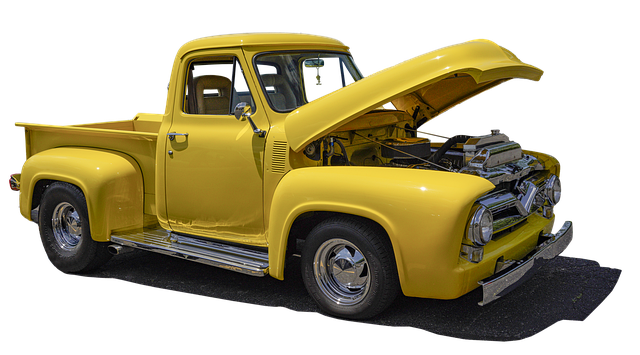
After completing the initial paperwork for registering your car in California, the next step involves paying the registration fees and undergoing final checks. This crucial phase ensures that your vehicle meets all legal standards before hitting the road. The California Department of Motor Vehicles (DMV) offers several convenient options to pay these fees, including online, by mail, or in person. Online payment is typically the fastest method, requiring you to visit the DMV’s website, create an account, and follow the prompts. This option often includes e-signing your registration documents digitally, simplifying the process.
For a seamless experience, particularly if you’re dealing with out-of-state vehicles or have had recent title changes, consider utilizing mobile VIN verification services. These services allow for a quick and accurate vin inspection by remotely checking the Vehicle Identification Number (VIN) against state records, ensuring all details are in order before processing your registration. For instance, some mobile vin verifiers can provide instant results, enabling you to address any discrepancies immediately. This is especially beneficial when dealing with complex transactions or historical vehicles that may have a more intricate history.
Once your fees are paid, the DMV will conduct final checks, which often include verifying your vehicle’s vin and safety features. In California, this process involves inspecting critical components like brakes, lights, and emission controls. If everything passes, you’ll receive your registration certificate, license plate, and other necessary documents in the mail or upon request at a DMV office. This thorough approach ensures that all vehicles on California roads meet safety standards, contributing to a more secure driving environment for everyone.
By meticulously preparing the necessary documents, understanding California’s stringent Vehicle Identification Number (VIN) verification process, gathering accurate vehicle and owner information, efficiently visiting a DMV office or utilizing online services, and promptly paying registration fees with final checks, you can seamlessly register your car in California. This authoritative article equips you with the critical insights and practical steps to navigate this essential procedure effortlessly, ensuring compliance with the state’s regulations. The key takeaway: VIN verification is a crucial step that demands meticulous attention to detail throughout the registration process.