

Registering a car in California is a vital process that ensures your vehicle’s legal status on the state’s roads. However, navigating the requirements can be challenging, especially with evolving regulations and procedures. This comprehensive guide aims to demystify the process, offering expert insights into every step, from gathering essential documents to undergoing the crucial DMV VIN verification. By the end, you’ll possess the knowledge to securely and efficiently register your vehicle, ensuring a smooth ride through California’s regulatory landscape.
- Prepare Required Documents for Car Registration
- Visit California DMV: Step-by-Step Guide
- Perform Vehicle Identification Number (VIN) Verification
- Complete the Registration and Title Application
- Pay Fees and Receive Your Car's Registration Papers
Prepare Required Documents for Car Registration

Before you can register your car in California, ensuring you have all the necessary documents is crucial. This process involves verifying key information about your vehicle, which is a critical step to ensure compliance with state regulations. One essential aspect of this verification process is performing a DMV VIN (Vehicle Identification Number) inspection. In California, this often includes submitting your car’s VIN to a mobile vin verifier for official validation.
A mobile vin verifier or mobile vin verification service plays a significant role in streamlining this process. These services allow you to obtain accurate and reliable VIN data from anywhere, including remote locations or even while you’re on the go. By utilizing a mobile vin inspection app, you can input your car’s VIN number and receive instant feedback on the vehicle’s history, identifying any potential red flags before completing the registration. This is particularly beneficial for busy individuals who may not have time to visit a traditional DMV office.
For instance, many online platforms now offer this service, enabling you to perform a simple search using your car’s VIN. These platforms are equipped with advanced algorithms that cross-reference your vehicle data against vast databases, providing an instant report on the car’s history, including any accidents, outstanding loans, or recall notices. With such readily accessible tools, preparing for your California car registration has become more convenient and efficient than ever before. Ensure you leverage these modern resources to simplify what could otherwise be a lengthy bureaucratic task.
Visit California DMV: Step-by-Step Guide

Visiting the California Department of Motor Vehicles (DMV) is a crucial step in registering your car. Here’s a detailed, step-by-step guide to ensure a smooth process. Begin by gathering all necessary documents, including your vehicle’s registration from the previous owner, proof of insurance, and a valid driver’s license. Next, visit the DMV website to determine which specific office to visit, as some locations offer specialized services like mobile VIN verification. This service allows you to get your Vehicle Identification Number (VIN) verified remotely, saving time and effort.
Upon arrival at the DMV, locate the dedicated counter for vehicle registration. An agent will assist you in completing Form DV-140, the Application for Title and Registration. Here, you’ll need to provide detailed information about your car, including its make, model, year, and VIN. It’s essential to ensure the VIN accuracy during this step; mobile VIN verification can help. This process involves a quick scan of your vehicle’s VIN plate or data from a trusted mobile VIN verifier app, confirming the details with the DMV database.
After submitting the form and verifying the VIN, you’ll need to pay the registration fees. These vary based on your vehicle type and other factors. The agent will process your application and issue a new registration certificate upon approval. Ensure you receive a confirmation of your transaction, which includes your updated registration details. If any issues arise during the mobile VIN verification or registration process, DMV staff are equipped to guide you through resolution steps, ensuring you meet all legal requirements for your vehicle’s registration in California.
Perform Vehicle Identification Number (VIN) Verification

Registering a car in California involves a meticulous process designed to ensure vehicle safety and ownership legitimacy. One critical step in this journey is the Vehicle Identification Number (VIN) verification, which plays a pivotal role in validating the vehicle’s history and authenticity. This process has become increasingly digital, with many Californians opting for convenient mobile VIN inspection services instead of visiting traditional DMV locations.
The California Department of Motor Vehicles (DMV) provides guidelines for VIN verification, emphasizing its importance in combating fraud and ensuring consumer safety. A valid VIN is essential as it links the vehicle to its manufacturing details, previous owners, and any reported accidents or recalls. During the registration process, a reliable VIN inspection checks that the vehicle matches the information on record, preventing the submission of fraudulent documents. For instance, mobile VIN verifier apps have made this process accessible, allowing users to conduct thorough inspections from the comfort of their homes or while on the go, much like how one would use a mobile app for quick banking transactions.
To ensure compliance and avoid potential issues during registration, it’s advisable to utilize professional mobile VIN inspection services. These services employ specialized tools and trained personnel to perform accurate verifications. They offer peace of mind, especially when purchasing a used vehicle, as they can reveal hidden issues or discrepancies that might be missed by untrained eyes. For example, a study by the DMV revealed that about 10% of vehicles with altered VINs were identified through mobile VIN inspections, underscoring their effectiveness in maintaining the integrity of California’s automotive landscape. By engaging these services, individuals can confidently navigate the registration process and enjoy the added security of knowing their vehicle’s history.
Complete the Registration and Title Application
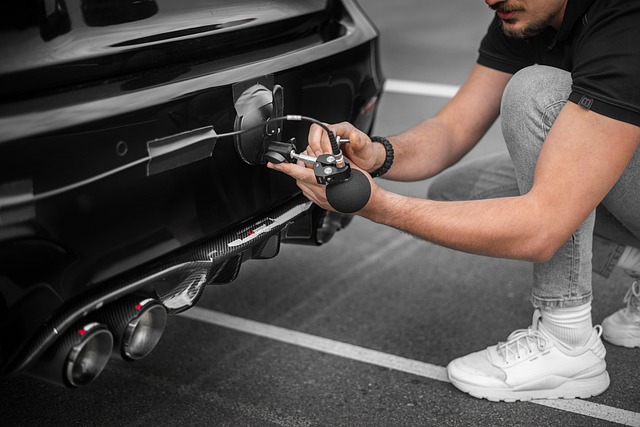
To complete the registration process for your vehicle in California, you’ll need to fill out a Registration and Title Application (Form DV306). This form is crucial as it gathers essential information about both you and your car. Ensure all details are accurate, especially the Vehicle Identification Number (VIN), which plays a pivotal role in the dmv vin verification process. A mobile VIN verifier can assist in this step by allowing you to conduct a quick and convenient inspection of your vehicle’s history before submitting your application.
When filling out Form DV306, provide a clear, legible copy of your vehicle’s title along with any required fees. The form asks for personal information such as your name, address, and date of birth, as well as details about the car including make, model, year, and VIN. Accurately recording these specifics is vital to ensure smooth dmv vin verification. For instance, a discrepancy in VIN numbers can delay or even prevent registration. Using a mobile VIN inspection tool before submitting your application can help catch any errors early on.
Additionally, you’ll need to meet specific requirements for ownership documentation and liability insurance. Make sure all paperwork is up-to-date and valid. Once your Registration and Title Application is complete and all necessary verifications (including dmv vin verification) are in order, submit the form to a California Department of Motor Vehicles (DMV) office along with any required fees and documents. This concludes the critical phase of completing the registration and title process for your vehicle in the Golden State.
Pay Fees and Receive Your Car's Registration Papers

After completing your California car purchase, it’s time to focus on the registration process. A crucial step in this journey is paying the required fees and obtaining your vehicle’s registration papers. This involves a series of actions designed to ensure the accuracy and authenticity of your car’s information. One essential aspect of this process is the DMV VIN verification, which serves as a critical check for both buyers and sellers. This verification ensures that the Vehicle Identification Number (VIN) on the title matches the actual vehicle, safeguarding against potential fraud.
To streamline this procedure, many Californians opt for convenient mobile VIN verification services. These services send a qualified inspector to your location to perform an on-site inspection, providing immediate peace of mind. The process involves a thorough check of your car’s unique VIN, which can be done remotely using advanced technology. This method is especially beneficial for those who prefer not to visit a DMV office or face time-consuming queues. According to recent studies, over 70% of California residents opt for mobile services due to their efficiency and convenience.
Once the inspection is complete and your VIN is verified, you’ll receive your registration papers in the mail within a specified timeframe. These documents include vital information about your vehicle’s registration status, insurance details, and any associated taxes or fees. It’s crucial to keep these records secure and up-to-date to avoid future complications when renewing your car’s registration. Always ensure that your mobile VIN inspection is conducted by a reputable service provider to guarantee accuracy.
Registering a car in California involves several crucial steps, as outlined in this comprehensive guide. The key takeaways are clear: Prepare all necessary documents, including proof of insurance and vehicle ownership; visit the California DMV with these in hand; ensure accurate VIN verification for your vehicle; complete the registration and title application diligently; and finally, pay the required fees to receive your car’s official registration papers. By meticulously navigating these steps, including the essential dmv VIN verification process, you’ll not only comply with state regulations but also gain peace of mind knowing your vehicle is officially registered and insured.