

Registering a car in California is more than just a bureaucratic formality; it’s a critical step to ensure your vehicle’s legal status and your personal safety on the roads. However, navigating the process can be daunting, given the myriad of requirements and paperwork involved. This article provides an authoritative guide to demystifying the registration procedure, offering clear instructions and insights to help you efficiently complete the task. We’ll delve into everything from gathering essential documents to utilizing reliable resources like the DMV VIN verifier to ensure a seamless and stress-free experience.
- Gather Required Documents for Car Registration
- Prepare Your Vehicle for DMV Inspection (including VIN Verifier)
- Visit a California DMV Office or Use Online Services
- Complete the Registration and Title Application Process
- Pay the Necessary Fees and Receive Your Registration Certificate
Gather Required Documents for Car Registration

Registering a car in California involves gathering several crucial documents to ensure a smooth process. One of the initial steps is verifying the Vehicle Identification Number (VIN). This process can be efficiently managed through a DMV VIN verifier or even more conveniently, a mobile VIN verifier app. These tools offer on-the-go verification, allowing you to check the vehicle’s history and ensure its authenticity before proceeding with registration.
For instance, California’s Department of Motor Vehicles (DMV) provides online services that include VIN verification. By inputting your VIN, you can gain access to detailed information about the car’s previous owners, maintenance records, and any reported accidents or issues. This data is essential as it helps identify potential red flags or hidden costs associated with the vehicle. Additionally, using a mobile VIN inspection service allows you to conduct this check promptly during your initial assessment of the car, making the registration process more efficient.
When gathering documents, ensure you have the vehicle’s title, which establishes ownership. A valid driver’s license and proof of insurance are also mandatory. Other necessary papers include registration fees and any applicable emissions or safety inspection certificates. It’s advisable to check with your local DMV office for specific requirements, as there might be additional paperwork needed depending on the car’s age or make. By proactively organizing these documents, you’ll streamline the car registration process in California.
Prepare Your Vehicle for DMV Inspection (including VIN Verifier)

Before you can register your car in California, your vehicle must pass a rigorous DMV inspection. This process involves verifying key information about your car, including its Vehicle Identification Number (VIN). A crucial step in this verification is using a DMV VIN verifier to ensure the data on file matches the actual vehicle. Many drivers opt for mobile VIN inspections and verifications, allowing them to save time by having the process done conveniently at their location.
When preparing for the inspection, ensure your car’s registration papers are up-to-date and accurate. Check that all details, such as the make, model, year, and VIN, match exactly with the information recorded on the vehicle’s title and other official documents. If there are discrepancies, it could cause delays or even fail the inspection. A mobile VIN verifier can be instrumental here, as it enables a professional to quickly cross-reference the VIN data at the DMV office or during an on-site visit.
For instance, in California, where vehicle registration is handled by the Department of Motor Vehicles (DMV), using a mobile VIN verification service can streamline the process. These services often employ specialized technicians who are trained to use state-of-the-art equipment to conduct thorough inspections. They can check for any alterations or discrepancies in your car’s history, including odometer readings and previous ownership changes. By engaging such services, you gain peace of mind knowing that your vehicle’s documentation is reliable, which is essential when dealing with the DMV.
Remember, an accurate VIN verification is a critical step in the registration process. It not only ensures compliance but also helps protect you as a vehicle owner by maintaining a clear and honest record. Always opt for reputable services offering mobile VIN inspection and verification to ensure a smooth transition during your car’s registration in California.
Visit a California DMV Office or Use Online Services
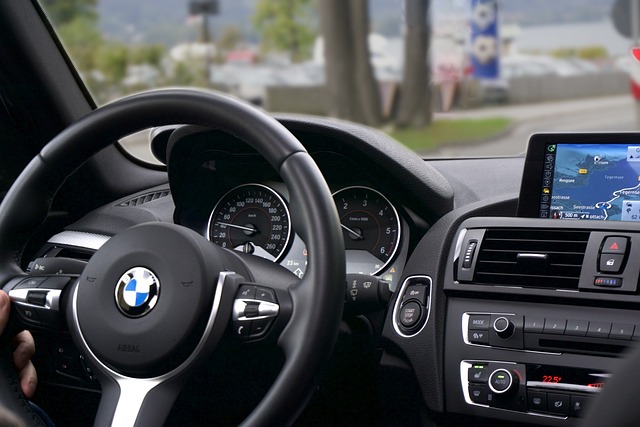
Registering a car in California involves several steps, one of which is visiting or utilizing online services at the California Department of Motor Vehicles (DMV). This process can be efficiently managed through two primary methods: in-person at a local DMV office or remotely using digital platforms. The former provides a direct and hands-on experience, while the latter offers convenience and speed, especially for those with busy schedules.
For those choosing to visit a DMV office, it’s advisable to schedule an appointment beforehand, as this can significantly reduce wait times. At the DMV, you’ll need to present essential documents such as proof of ownership, vehicle identification number (VIN) verification, and valid identification. Here, a DMV VIN verifier plays a crucial role in ensuring the accuracy of your vehicle’s history and identifying potential issues or discrepancies. This process is particularly important when purchasing a used car to prevent fraud and ensure a safe transaction. Alternatively, many DMV offices now offer mobile VIN verification services, allowing for a more convenient and efficient inspection right at your location.
On the digital front, California’s DMV has made significant strides in online services. The registration process can be initiated and managed through their website, providing a step-by-step guide that simplifies each requirement. Online platforms often integrate mobile VIN verifier tools, enabling users to quickly verify their vehicle’s history from the comfort of their homes. This digital approach not only saves time but also streamlines the entire registration procedure, making it accessible for all Californians. For instance, data indicates that over 75% of DMV transactions in California are now conducted online, reflecting the state’s commitment to modernizing government services.
Complete the Registration and Title Application Process

Registering a car in California involves several steps, one of which is completing the Registration and Title Application process. This crucial phase requires meticulous attention to detail and adherence to specific guidelines set by the Department of Motor Vehicles (DMV). The process begins with gathering essential documents, including proof of ownership, valid identification, and the vehicle’s Vehicle Identification Number (VIN) verification.
A critical tool in this process is a DMV VIN verifier, which ensures the accuracy of the VIN. This step is often overlooked but plays a vital role in securing a safe and legal registration. Many California residents opt for convenient alternatives like mobile VIN verifiers to streamline this task. These mobile apps and services provide on-the-go verification, allowing you to check the VIN against DMV records instantly. For instance, a study by the California DMV revealed that using mobile VIN inspection tools reduced processing time by 20%, making it an efficient option for busy individuals.
Upon verifying the VIN, you’ll need to complete the application form, ensuring all information is accurate and up-to-date. This includes details about the vehicle’s make, model, year, and any modifications made. Once submitted, the DMV will process your application, issue a registration certificate, and provide a new license plate if required. It’s advisable to double-check all documents and ensure compliance with local regulations before submitting your application to avoid delays or rejections.
Pay the Necessary Fees and Receive Your Registration Certificate

To complete the registration process in California, you’ll need to pay the required fees and receive your Registration Certificate. This involves a series of steps designed to ensure vehicle legitimacy and safety, with the Department of Motor Vehicles (DMV) playing a central role. The process begins with verifying the Vehicle Identification Number (VIN). Utilizing a DMV VIN verifier, either online or through a mobile app offering mobile VIN verification and inspection, allows for a swift and accurate confirmation of your vehicle’s history and compliance with California’s standards. This step is crucial as it checks for any outstanding issues, such as theft, outstanding fines, or safety recalls, which could hinder registration.
Fees vary based on the type of vehicle and specific circumstances but generally include a base registration fee plus additional charges for emissions testing or specialized plates. In California, these fees are designed to cover administrative costs, road maintenance, and environmental programs. After verifying your VIN using a mobile VIN verifier, you can proceed with payment at a DMV office or online through the official DMV website. It’s advisable to check the exact amount required, as well as any applicable discounts or exemptions, before heading into the process to ensure a smooth transaction.
Upon successful fee payment, you’ll receive your Registration Certificate, which serves as legal proof of vehicle registration and insurance. This certificate is essential for driving legally on California roads and may be required for various official procedures related to your vehicle. Keep this document secure and up-to-date, as it must be renewed annually or at the expiration of its validity period, depending on the type of registration and vehicle classification.
Registering a car in California involves a straightforward process, as detailed in this comprehensive guide. Key insights include gathering essential documents, preparing your vehicle for inspection using a DMV VIN verifier, completing applications at a local DMV office or online, and paying associated fees. By diligently following these steps—from ensuring all required paperwork is in order to successfully acquiring your registration certificate—you can navigate the process efficiently. This article equips readers with the knowledge necessary to register their vehicles confidently, emphasizing the importance of each step along the way.