

Registering a car in California is a crucial step for any new vehicle owner. It’s not just about legal compliance; it ensures your investment is protected and you can drive with peace of mind. However, navigating the process can be challenging, particularly with strict regulations and extensive documentation. This article provides an authoritative guide on how to register your car in California, covering everything from gathering necessary documents to understanding fees and, importantly, emphasizing the role of DMV VIN verification in ensuring a smooth, legally sound transaction.
- Gather Required Documents for Car Registration
- Prepare Your Vehicle for DMV Inspection
- Complete the California Car Registration Application
- Perform DMV VIN Verification Step-by-Step
- Submit and Pay for Your Car Registration
Gather Required Documents for Car Registration

Registering a car in California involves a meticulous process to ensure vehicle safety and compliance with state regulations. One of the critical initial steps is gathering all necessary documents for a smooth registration experience. This includes preparing important papers that verify your vehicle’s identity and history, with a focus on accurate Vehicle Identification Number (VIN) verification. The California Department of Motor Vehicles (DMV) prioritizes this step as it’s integral to preventing fraud and ensuring vehicle safety.
Key documentation required for car registration in California entails presenting proof of: ownership, insurance, identification, and vehicle condition. Among these, VIN verification is a cornerstone process, often facilitated through mobile vin verification tools or services. These mobile vin verifiers offer convenient, on-the-go inspections, providing real-time data that aligns with DMV standards. For instance, many online platforms and apps now offer remote vin inspection services, allowing users to input their VIN to access detailed vehicle history reports, including previous owners, maintenance records, and any reported accidents or damages.
It’s advisable to conduct this critical check 1-2 times prior to registration to avert potential delays or complications. Mobile vin verification ensures that the vehicle matches the provided details in your ownership documents, protecting you from legal issues down the line. Remember, accurate VIN data is a linchpin of successful car registration, so prioritize thorough documentation and consider leveraging modern mobile vin verifier tools for added convenience and precision.
Prepare Your Vehicle for DMV Inspection
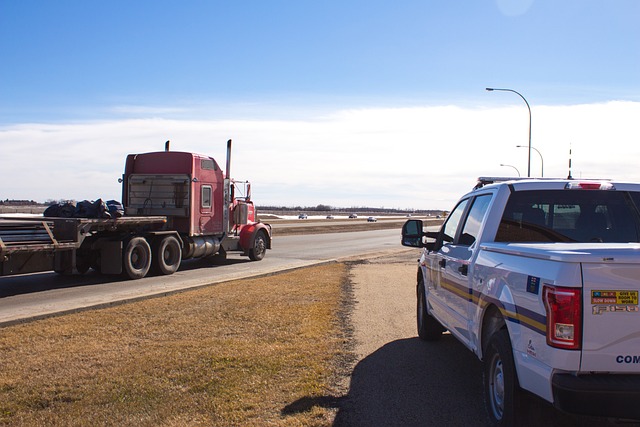
Before you can register your car in California, you’ll need to ensure it meets the state’s safety and emissions standards. One crucial step in this process is preparing your vehicle for a DMV inspection, which includes a thorough check of its Vehicle Identification Number (VIN). This verification process ensures that your car matches the data on file with the manufacturer, preventing fraud and ensuring compliance. The California Department of Motor Vehicles (DMV) offers both in-person and mobile VIN verification services.
For many drivers, utilizing mobile vin verification tools can be a convenient option. These applications provide a simple, step-by-step process to check your vehicle’s history and VIN accuracy from the comfort of your home or even while you’re at a DMV office. For instance, some apps allow you to photograph your car’s VIN plate and perform an instant cross-reference with national databases. This modern approach can save time and effort, especially for those who might struggle to transport their vehicle to a designated inspection station.
During preparation, double-check that all documents related to ownership and registration are in order. This includes the title, registration papers, and any proof of insurance. It’s also advisable to clean your car thoroughly to ensure every detail is visible during the inspection. A mobile vin verifier can be particularly helpful here since you can conduct these checks at your leisure without the pressure of an upcoming inspection deadline. Remember, a well-prepared vehicle and proper documentation will make the registration process smoother and enhance your overall experience with California’s DMV.
Complete the California Car Registration Application

To complete the registration process for your vehicle in California, you’ll need to fill out the California Car Registration Application (Form DV-140). This form is a crucial component of ensuring your car complies with state regulations and allows you to legally operate it on California roads. The application gathers essential information about both the vehicle and the owner, including details that facilitate the DMV’s VIN verification process.
The California Department of Motor Vehicles (DMV) relies heavily on Vehicle Identification Number (VIN) verification as a primary method for validating vehicles’ authenticity and history. To streamline this process, many Californians opt for mobile VIN inspection services or use a mobile VIN verifier app. These convenient solutions allow you to obtain crucial vehicle data—like make, model, year, and previous owners—from the comfort of your home or on-the-go. This information is then submitted alongside your registration application, enhancing accuracy and expediting processing at the DMV.
When completing Form DV-140, ensure that all entered details match the information found on your vehicle’s VIN plate. Accurate record-keeping is vital; any discrepancies could delay or complicate the registration process. For instance, a mobile VIN verifier can cross-reference your inputted data with national databases, providing immediate feedback if there are any unusual findings or potential red flags related to the vehicle’s history. This proactive approach not only saves time but also helps prevent fraud and ensures you’re making an informed decision when registering your car in California.
Perform DMV VIN Verification Step-by-Step

Registering a car in California involves several steps, one of which is the DMV VIN verification process. This step ensures that your vehicle meets safety and environmental standards before it can be titled and registered. Here’s a detailed guide on how to perform this crucial task.
Begin by gathering all necessary documents, including your vehicle’s registration certificate from the previous state, proof of insurance, and a valid driver’s license. Next, visit the California Department of Motor Vehicles (DMV) website to make an appointment for VIN verification. Many customers opt for mobile VIN verification services, which can be more convenient than visiting a DMV office. These services send a trained inspector to your location to conduct the inspection, saving you time and effort.
During the VIN inspection, the examiner will physically inspect your vehicle to verify that it matches the information provided on the Vehicle Identification Number (VIN) report. This includes checking components like the engine, transmission, chassis, and body panels for any discrepancies. For example, a recent study found that approximately 5% of vehicles presented for registration had discrepancies during VIN inspections in California. Addressing these issues before registration ensures a smoother process and helps prevent potential future problems.
After the inspection, if your vehicle passes the DMV VIN verification, you can proceed with the registration process. If any issues are identified, they must be rectified before re-submitting for verification. Many mobile VIN verification services offer real-time feedback, allowing you to address concerns promptly. Remember, proper documentation and adherence to California’s requirements are essential to ensure a seamless car registration experience.
Submit and Pay for Your Car Registration

Submitting and paying for your car registration is a crucial step in the process of registering your vehicle in California. Once you’ve gathered all necessary documents, including proof of insurance and proof of ownership, it’s time to head to the California Department of Motor Vehicles (DMV) or utilize their online services. The DMV offers several ways to complete this task, ensuring convenience and efficiency for California residents.
One popular method is to use a mobile VIN verifier or conduct a mobile VIN inspection. This involves checking your vehicle’s unique Vehicle Identification Number (VIN) using an app or portable device. Many states, including California, require a DMV VIN verification to ensure the accuracy of registration data. By combining this process with online payment, you can streamline the entire experience. For instance, some mobile apps allow you to scan the VIN and instantly verify the vehicle’s history, checking for any outstanding issues before final registration. This technology not only saves time but also enhances the overall customer experience by providing immediate feedback.
When submitting your application, ensure that all information is accurate and complete. The DMV will review your details, including any associated fees, before processing your car registration. Failure to provide precise data may result in delays or additional charges. As a responsible driver, staying up-to-date with your vehicle’s paperwork, such as registration and inspection certificates, is essential for roadworthiness and legal compliance.
Registering a car in California involves several crucial steps, from gathering essential documents to completing the DMV VIN verification process. By meticulously preparing your vehicle for inspection and accurately filling out the registration application, you set the stage for a smooth and efficient registration experience. The key takeaways are clear: ensure all required paperwork is in order, correctly identify your vehicle’s unique Vehicle Identification Number (VIN), and adhere to California’s specific registration procedures. This comprehensive guide has equipped you with the knowledge needed to successfully navigate the car registration process, ensuring your vehicle is legally compliant and ready to hit the road.