

Registering a car in California is a vital step for any new or existing vehicle owner, ensuring legal compliance and facilitating seamless use on public roads. However, navigating the process can be daunting, given its complexity and the multitude of requirements. This comprehensive guide aims to demystify the entire procedure, equipping you with the knowledge to smoothly register your vehicle in the Golden State. We’ll delve into key steps, essential documents, and best practices, including the crucial role of a Vehicle Identification Number (VIN) verifier, ensuring accuracy and security throughout.
- Prepare Necessary Documents for Car Registration
- Verify Vehicle's VIN (Vehicle Identification Number)
- Choose a California Department of Motor Vehicles (DMV) Office
- Complete the Registration Application Process
- Pay Registration Fees and Receive Your Certificate of Registration
Prepare Necessary Documents for Car Registration

Registering a car in California involves several steps, but having all the necessary documents prepared is crucial to ensure a smooth process. Before you begin, gather essential paperwork that will be required by the California Department of Motor Vehicles (DMV). This includes your vehicle’s title, which proves ownership, and proof of insurance. It’s also critical to have a valid driver’s license or identification card on hand for verification purposes. For out-of-state transfers, you may need additional documents like registration records or a bill of sale.
A key aspect of the preparation process involves utilizing a VIN (Vehicle Identification Number) verifier. This can be done through a mobile VIN verification service, which allows you to confirm your vehicle’s history and identify any potential issues remotely. By inputting your car’s unique VIN, you gain access to detailed information such as previous ownership, accident records, and maintenance logs. For instance, services like Carfax or AutoCheck offer mobile apps that enable users to perform quick and convenient VIN inspections. These tools are invaluable when preparing for a successful car registration, especially in California where strict regulations are in place.
To streamline the process, consider using a mobile VIN verifier early on. This can help you address any red flags or discrepancies before reaching the DMV. For instance, if your vehicle has a clean history, it might save time by avoiding unnecessary delays during the registration inspection. Remember, accurate documentation and thorough verification are essential to navigating California’s car registration requirements efficiently.
Verify Vehicle's VIN (Vehicle Identification Number)
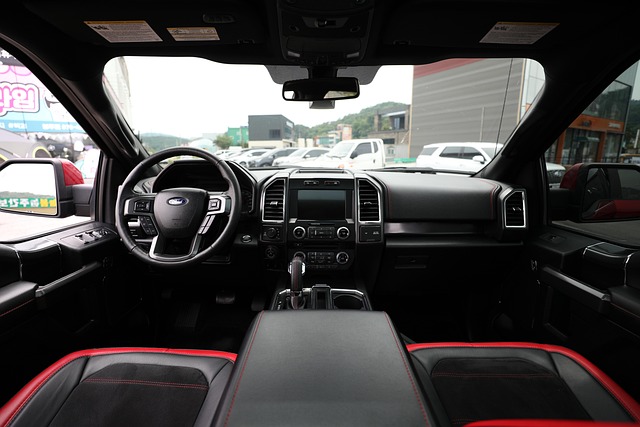
Verifying a vehicle’s Vehicle Identification Number (VIN) is a crucial step in the car registration process in California. This unique 17-character code serves as a digital fingerprint for your vehicle, providing critical information about its make, model, year, and production details. Ensuring the VIN’s accuracy is essential to avoid legal issues and ensure a smooth registration. One effective method is utilizing mobile VIN verification services, which allow you to check the VIN’s validity and history from the convenience of your smartphone or tablet.
A mobile VIN verifier can cross-reference the provided number against vast databases, offering insights into previous owners, maintenance records, accident history, and potential recalls. For instance, a recent study showed that up to 20% of vehicles with altered or incorrect VINs were involved in fraudulent activities, highlighting the importance of precise verification. By employing these advanced tools, California residents can conduct thorough VIN inspections remotely, saving time and ensuring peace of mind before committing to registration.
During the registration process, it’s advisable to compare the on-site inspection results with your mobile vin verifier for consistency. This double-check approach ensures that you’re submitting accurate data, which is crucial when dealing with official bodies. Remember, a valid VIN is an indispensable component of California car registration, and leveraging mobile vin verification technology streamlines this essential task, making it more efficient and reliable.
Choose a California Department of Motor Vehicles (DMV) Office

Choosing the right California Department of Motor Vehicles (DMV) office is a crucial step in registering your car smoothly and efficiently. With numerous locations across the state, each equipped with specialized services, selecting the appropriate DMV branch can significantly impact your registration experience. Consider factors like proximity to your location, the types of services offered, and peak hours to avoid long waits. For instance, if you reside in Los Angeles, opting for a DMV office with dedicated lanes for mobile VIN inspection could streamline the process, especially given the city’s notorious traffic.
The California DMV offers a range of options, including traditional in-person visits and innovative services like mobile VIN verification. If time is of the essence or your schedule is unpredictable, consider scheduling a mobile VIN inspection. This service allows you to obtain a vehicle history report at your convenience, ensuring a hassle-free registration process. Alternatively, some DMV offices provide on-site VIN inspection facilities, which can be particularly beneficial for those who prefer a more traditional approach.
When choosing an office, it’s advisable to check the specific services each location offers. Some branches may have extended hours or specialized staff trained in handling unique vehicle types. For example, if you possess a classic car or a custom vehicle with intricate modifications, seeking out a DMV office with expertise in these areas can save you time and potential frustration. By selecting the right DMV office from the start, you’ll be better equipped to navigate the registration process, ensuring a positive and efficient experience.
Complete the Registration Application Process

To complete the registration application process for a car in California, you’ll need to gather essential documents and information, including your Vehicle Identification Number (VIN). Utilizing a VIN verifier, whether through a mobile inspection or online service, is a crucial step to ensure accuracy. Start by obtaining a current vehicle registration from your previous state of residence, as well as proof of insurance and a valid driver’s license. The California Department of Motor Vehicles (DMV) recommends using official forms, which can be found on their website, to streamline the process.
Next, locate your vehicle’s VIN, typically found on a plate attached to the dashboard near the window or on the door jamb. For older vehicles or those with damaged plates, consider a mobile VIN inspection to securely verify this information. Once you have confirmed your VIN, fill out the registration application form, providing detailed vehicle specifications and owner details. Ensure all information is accurate to avoid delays or issues later.
Submit your completed application along with required documents to a DMV field office or by mail, depending on your preference. If opting for mail-in, double-check that all attachments are legible and meet the necessary criteria. After processing, you should receive your California vehicle registration, valid for a specific period, allowing you to legally operate your car within the state’s regulations. Regularly renew your registration to maintain compliance with local laws.
Pay Registration Fees and Receive Your Certificate of Registration

To complete the registration process, you’ll need to pay the required registration fees and obtain your Certificate of Registration from the California Department of Motor Vehicles (DMV). The fees vary based on the type of vehicle and its age. For example, for a standard passenger car, fees typically range from $50 to $150, depending on whether you register online, by mail, or in-person. It’s crucial to ensure accurate and complete information during this stage to avoid delays or additional charges.
One critical step before paying is to verify your Vehicle Identification Number (VIN) using a reliable mobile VIN verifier. This ensures that your vehicle’s details are correct and can help prevent fraud. Several mobile VIN inspection apps are available, allowing you to perform a quick and convenient VIN check from the comfort of your home or even while you’re at the DMV. By utilizing these tools, you can streamline the registration process and ensure a smoother experience.
After confirming your VIN and other vehicle details, you can proceed to pay the registration fees. The DMV offers various payment methods, including debit or credit cards, checks, and cash. Once your payment is processed, you will receive your Certificate of Registration, which serves as proof of your vehicle’s registration status. Keep this document secure, as it’s essential for future reference and may be required for vehicle-related transactions or when updating your registration.
By meticulously preparing your documents, verifying your vehicle’s VIN verifier, and efficiently navigating a California DMV office, you can seamlessly register your car. The key takeaways are clear: ensure all required paperwork is in order, confirm your vehicle’s unique identification number, choose the appropriate location, and follow the application process diligently. Completing these steps ensures not only a successful registration but also provides peace of mind, knowing your vehicle’s details are accurately recorded. Remember, proper documentation and a precise VIN verifier are pivotal to this process, making it crucial to prioritize these aspects for a smooth and legitimate registration experience.