

Registering a car in California is a vital process for any new or existing vehicle owner, ensuring legal compliance and ownership documentation. However, navigating the bureaucratic landscape can be daunting, with various requirements and potential pitfalls. This comprehensive guide aims to demystify the car registration process, offering step-by-step clarity. We’ll cover everything from gathering essential documents to understanding fees, emphasizing the critical role of Vehicle Identification Number (VIN) verification for accuracy and security. By the end, you’ll be equipped with the knowledge to successfully register your vehicle in California with confidence.
- Gather Necessary Documents for Car Registration
- Prepare for VIN Verification: Step-by-Step Guide
- Select an Appropriate Registration Type in California
- Submit Application and Pay Fees for Car Registration
- Finalize and Receive Your California Registration Certificate
Gather Necessary Documents for Car Registration

Registering a car in California involves several crucial steps, and one of the most critical is ensuring you have all the necessary documents ready. This process begins with gathering essential paperwork that includes your vehicle’s unique identifier—the Vehicle Identification Number (VIN). It’s vital to verify this VIN accurately to maintain legal compliance and ensure the integrity of your vehicle’s history. Many California residents opt for a mobile VIN inspection or verifier to streamline this initial step, as it provides a quick and convenient way to confirm the vehicle’s authenticity.
When preparing for car registration, you’ll need to obtain and organize several key documents. The primary piece is the title certificate, which proves ownership. Additionally, you must have a current registration from your previous state (if applicable) and proof of insurance. A valid driver’s license or state-issued ID is also mandatory. For classic cars or vehicles with a history, you might require additional documentation, such as restoration records or vintage registration papers. It’s worth noting that some mobile VIN inspection services can assist in these initial verifications, ensuring you meet all requirements before proceeding to the registration process.
Moreover, it’s essential to check with the California Department of Motor Vehicles (DMV) for any specific forms or checklists they provide. They offer detailed guidelines on their website, including a list of acceptable forms and documents. Some states may require additional paperwork, like proof of sales tax payment or a bill of sale. Being prepared with these documents will ensure a smoother registration process and help avoid potential delays or issues.
Prepare for VIN Verification: Step-by-Step Guide

Before registering your car in California, preparing for Vehicle Identification Number (VIN) verification is a crucial step in the process. VIN verification ensures that your vehicle’s unique identifier matches the data on record with the state and helps prevent fraud. This process can sometimes be time-consuming, but with a mobile VIN verifier, you can streamline this part of the registration procedure. Here’s a comprehensive guide to help you navigate through the preparation for VIN verification:
1. Gather Necessary Documents: Collect all essential paperwork, including your vehicle’s title, registration papers, and insurance proof. Also, ensure you have access to your car’s VIN—this 17-character code is crucial for the next step. If you’re using a mobile VIN verifier, many apps or services allow you to scan the VIN off your vehicle’s body or from its engine bay for convenience.
2. Research and Choose a Mobile VIN Verifier: Not all mobile VIN verifiers are created equal. Some services may only provide basic information while others offer detailed reports with historical data on accidents, title records, and maintenance history. Research reliable options available in California to find the best fit for your needs. You can start by checking online reviews or asking fellow vehicle owners for recommendations.
3. Perform a Pre-Verification Check: Before using a mobile VIN verifier, conduct a basic check yourself. Ensure that all information on your car’s identification plates matches the VIN and other details listed in your documents. This simple step can help identify any discrepancies early on, saving you time later.
4. Use Your Chosen Mobile VIN Verifier: Once prepared, use the app or service to input or scan your vehicle’s VIN. Reputable verifiers will cross-reference this data against multiple databases to provide an accurate report. Key points to look for include: previous ownership changes, accident history, recall status, and any reported thefts or title issues. If any red flags are raised, address them before proceeding with registration.
By following these steps and leveraging the benefits of a mobile VIN verifier, you can ensure a smoother process during your car’s registration in California.
Select an Appropriate Registration Type in California
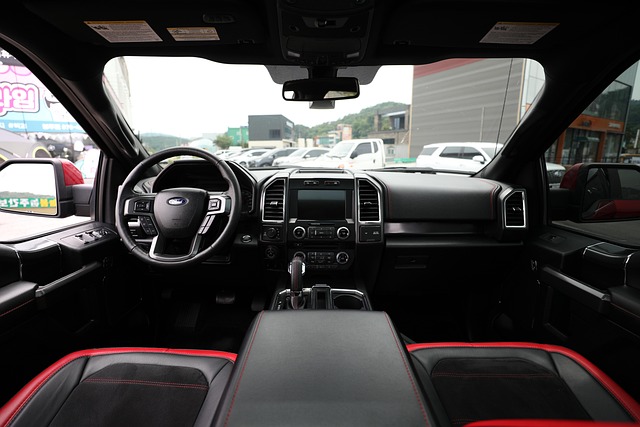
When registering a car in California, selecting the appropriate registration type is a crucial step. The choice depends on factors such as the vehicle’s age, use, and ownership status. For instance, residents owning a new or relatively modern vehicle typically opt for the standard registration process, which involves submitting necessary documents to the Department of Motor Vehicles (DMV). This method entails a thorough inspection, including a Vehicle Identification Number (VIN) verification, ensuring the car’s authenticity and compliance with emission standards.
However, for classic cars, collectors’ items, or vehicles over a certain age, alternative registration types may apply. California offers specialized registration options for these unique vehicles, recognizing their historical or cultural significance. For example, historic vehicle registration is available for models over 25 years old, requiring a detailed application and potentially involving a VIN inspection to prove the car’s age and authenticity. This meticulous process ensures that these vintage vehicles can be legally registered while preserving their integrity.
To facilitate this selection process, considering mobile VIN verification services can be advantageous. These services provide on-site inspections, allowing owners to complete critical steps like VIN verification conveniently. Mobile VIN inspection is particularly useful for those with limited mobility or time constraints, ensuring a smoother registration experience without compromising accuracy. By embracing these modern solutions, car owners in California can navigate the registration process efficiently while adhering to state regulations.
Submit Application and Pay Fees for Car Registration

To complete the registration process, you’ll need to submit an application and pay the required fees. In California, this typically involves visiting a Department of Motor Vehicles (DMV) office or utilizing their online services. Before proceeding, ensure your vehicle meets all legal standards and has passed the necessary inspections, including a VIN inspection. It’s important to verify your Vehicle Identification Number (VIN) through a reliable method like a mobile VIN verifier to avoid any issues during submission. This step guarantees accuracy, which is crucial for seamless registration.
When submitting your application, gather all essential documents, such as proof of ownership, identification, and insurance. The fees associated with car registration in California vary based on vehicle type and age. For example, the cost for a standard passenger vehicle might include a base fee plus a registration fee, with additional charges for optional services like personalized license plates. Stay informed about any changes in regulations to ensure compliance and avoid unexpected expenses.
Online registration is a convenient option, allowing you to complete the process from the comfort of your home. The DMV’s website provides detailed instructions on how to submit applications, pay fees, and manage your vehicle’s registration digitally. Alternatively, visiting a local DMV office allows for direct assistance and ensures all documents are properly verified, including through a mobile VIN inspection if needed. This hands-on approach can be beneficial for complex cases or when addressing any last-minute concerns.
Finalize and Receive Your California Registration Certificate

After completing the initial registration process for your vehicle in California, which includes providing necessary documentation and fees, the next crucial step is finalizing and receiving your California Registration Certificate. This certificate is a legal document that confirms your vehicle’s registration status, and it’s essential to ensure its accuracy. One way to do this is by undergoing a VIN verification process, which can be efficiently managed through a mobile VIN inspection or verification service.
By engaging in a mobile VIN inspection, a professional will visit your location to conduct a thorough check of your vehicle’s unique Vehicle Identification Number (VIN). This involves the use of specialized equipment to cross-reference the VIN with state records, ensuring that all details match precisely. This method eliminates potential errors or fraud that could lead to registration issues in the future. For instance, an inspection might reveal discrepancies like a reported total loss on a vehicle history report, which would hinder its registration. A timely mobile VIN verification can resolve such issues before they become roadblocks.
Additionally, regular VIN inspections are beneficial for maintaining your vehicle’s long-term registration status. In California, as in many states, vehicles must undergo periodic emissions and safety checks to remain compliant. A mobile VIN inspection service can facilitate these checks by ensuring that your car meets all required standards. Data indicates that areas with high concentrations of older vehicles often see higher failure rates during such inspections, underscoring the importance of regular maintenance and accurate record-keeping. By embracing a proactive approach through mobile VIN verification, California drivers can enhance their registration experience and avoid unnecessary delays or complications.
By meticulously following the steps outlined in this guide, specifically navigating the process of VIN verification, you can successfully register your vehicle in California. Key takeaways include preparing all necessary documents, understanding different registration types, and ensuring accurate application submission with timely fee payment. Upon completion, you’ll receive a valid California Registration Certificate, marking a significant milestone in legally owning and operating your vehicle within the state. This comprehensive approach ensures a smooth process, empowering you to confidently manage your car’s registration.