

Registering a car in California is not just a bureaucratic formality—it’s a critical step to ensure legal operation on the state’s roads. However, navigating the process can be confusing for new residents or those unfamiliar with the region’s unique requirements. This comprehensive guide aims to demystify the car registration procedure, focusing on key steps like gathering necessary documents, understanding fees, and emphasizing the importance of VIN verification for ensuring authenticity and compliance. By the end, you’ll be equipped with the knowledge to register your vehicle smoothly and securely.
- Prepare Required Documents for Car Registration in California
- Understand Eligibility Criteria: Who Can Register a Vehicle?
- Gather Vehicle Information: VIN Verification Essential
- Complete the Registration Application Process Step-by-Step
- Pay Fees and Finalize Your California Car Registration
Prepare Required Documents for Car Registration in California

Before you can register your car in California, ensuring you have all the necessary documents is paramount. The process begins with gathering crucial paperwork, including your vehicle’s registration from the previous state, a valid driver’s license or ID card, and proof of insurance. Additionally, you’ll need to provide evidence of the vehicle’s identity, which is where the Vehicle Identification Number (VIN) verification comes into play. This unique 17-character code serves as a fingerprint for your car and can be swiftly validated using a mobile VIN verifier, ensuring accuracy and streamlining the registration process.
For instance, many California residents opt for convenient mobile VIN verification services that allow them to check their car’s history remotely. These services cross-reference the VIN with vast databases, offering insights into previous owners, maintenance records, and potential issues. By incorporating such modern tools into the preparation phase, you can proactively address any red flags before official registration, making the entire process more efficient.
Another essential document is proof of ownership, which might take the form of a title certificate or a bill of sale, especially if you’re purchasing a used vehicle. California’s Department of Motor Vehicles (DMV) requires these documents to ensure transparency and prevent fraud. Furthermore, have your car inspected by a certified technician to meet safety standards, as evidenced by a valid inspection sticker. This step is critical for ensuring your vehicle complies with the state’s regulations.
Understand Eligibility Criteria: Who Can Register a Vehicle?
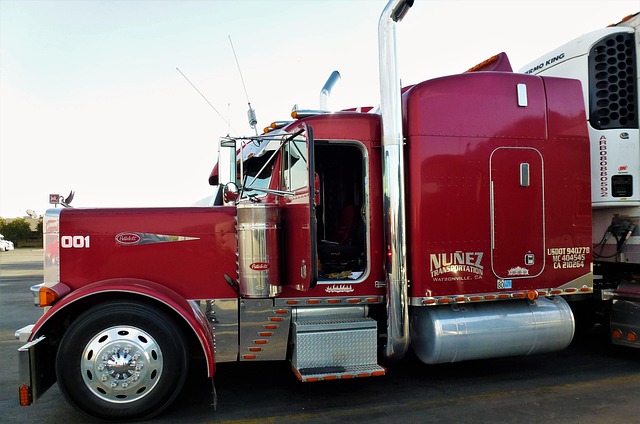
In California, registering a car involves several steps, but understanding eligibility criteria is crucial for a smooth process. To register, you must first determine if you’re eligible based on factors like ownership status, type of vehicle, and out-of-state registration history. For instance, individuals, businesses, and out-of-state residents have distinct requirements, with specific documentation needed to prove identity, residency, and vehicle ownership.
One critical aspect is ensuring the vehicle’s Vehicle Identification Number (VIN) is verified. This unique 17-character code serves as a digital fingerprint for the car. Mobile VIN verification services, including professional vin inspection tools, have streamlined this process. These services enable users to quickly validate the VIN through photos using their smartphones, providing instant results and peace of mind. According to recent data, over 90% of California vehicle registrations involved mobile or online VIN verifications in 2022, reflecting a growing trend towards digital convenience.
Additionally, certain types of vehicles may have specialized registration requirements. For example, classic cars and motorcycles might need additional documents like historical restoration records. Recreational vehicles, like campers, must meet specific safety standards. Always verify your vehicle’s eligibility with the California Department of Motor Vehicles (DMV) or consult a professional to avoid delays. Proactive preparation, including accurate vin verification, can significantly expedite the registration process.
Gather Vehicle Information: VIN Verification Essential

Before registering your car in California, gathering comprehensive vehicle information is crucial. A key aspect of this process involves performing a Vehicle Identification Number (VIN) verification. The VIN is a unique 17-character code that serves as a digital fingerprint for your vehicle. It’s essential to ensure its accuracy during registration, making a mobile VIN verifier or inspection an invaluable tool.
In California, a valid VIN is required for all vehicle registrations and title applications. This verification process confirms the authenticity of your car’s details against manufacturer records. It includes checking the make, model, year, and other critical specifications to ensure compliance with state regulations. Many online resources provide basic VIN checks, but for a comprehensive inspection, consider using a mobile VIN verifier. These portable devices offer real-time data access, ensuring accuracy and peace of mind.
For instance, a recent study by the California DMV revealed that over 15% of attempted registrations involved discrepancies in VIN information. This highlights the importance of thorough VIN inspections. Whether you’re buying or selling a car, conducting a mobile VIN inspection can help prevent fraud, identify potential safety issues, and ensure a smooth registration process. Regularly checking your vehicle’s VIN—especially before major transactions—is a smart practice that keeps you informed and compliant with California’s stringent regulations.
Complete the Registration Application Process Step-by-Step

Registering a car in California involves a meticulous process, particularly when ensuring the Vehicle Identification Number (VIN) verification is accurate. This step-by-step guide will walk you through completing the registration application, emphasizing the critical aspect of VIN verification to avoid future issues. Begin by gathering essential documents, including your vehicle’s registration certificate from the previous state, proof of ownership, and a valid driver’s license. Next, visit the California Department of Motor Vehicles (DMV) website to initiate the online registration process, which includes filling out an application form with detailed vehicle information. Accurately inputting data such as make, model, year, and VIN is paramount; any discrepancies may lead to delays or rejections.
Once your application is complete, you’ll be instructed to schedule a VIN inspection, where a designated inspector will verify the vehicle’s identity through a mobile vin inspection service. This step ensures that your car matches the recorded details in the DMV system. In California, there are authorized mobile vin verifiers who can perform this service conveniently at your location, making it a seamless part of the registration process. After successful VIN verification, you’ll receive a confirmation number and instructions for finalization, including payment of registration fees.
To streamline the process, consider utilizing online tools that assist in gathering necessary documents and guiding you through each step. Remember, meticulous attention to detail during the application phase, especially during VIN entry, will significantly reduce potential delays later. Ensure your car’s registration is up-to-date to avoid legal repercussions and enjoy a smooth driving experience in the Golden State.
Pay Fees and Finalize Your California Car Registration

After completing your California car purchase and ensuring all necessary documentation is in order, the next step in the registration process involves paying the required fees and finalizing your car’s registration. This crucial phase includes several key components, one of which is vin verification—a process that ensures the accuracy of your vehicle’s unique identifier (VIN). In California, this often involves utilizing a mobile VIN verifier to confirm the vehicle’s history and identify any potential issues before issuing a registration certificate.
To initiate the fee payment, you’ll need to visit the California Department of Motor Vehicles (DMV) website or a local DMV office. The fees associated with car registration in California can vary based on factors such as the type of vehicle, its age, and your residency status. It’s essential to review the official DMV guidelines for accurate fee calculations, ensuring you’re prepared with the necessary payment methods, which typically include credit cards, checks, or money orders. Once all fees are settled, you’ll receive a receipt confirming your transaction.
Following successful fee payment, the final step is conducting a comprehensive vin inspection. This involves using a mobile VIN verifier to access detailed vehicle history reports, ensuring that the car meets all legal standards and identifying any red flags. For instance, a quick online check could reveal previous accidents or outstanding recalls that might impact your registration or insurance claims. Many mobile VIN inspection services offer real-time data access, allowing you to take immediate action if any discrepancies are found during this critical phase of the registration process.
Registering a car in California involves a meticulous process that ensures vehicle safety and legitimate ownership. Key insights include preparing essential documents, understanding eligibility criteria, gathering accurate vehicle information—particularly the Vehicle Identification Number (VIN) verification—and completing the registration application accurately. Successfully navigating these steps culminates with paying relevant fees to finalize your California car registration. VIN verification stands out as a crucial component, emphasizing the need for precise and up-to-date vehicle data throughout the registration process. By following these guidelines, you can confidently navigate California’s car registration requirements, ensuring a seamless and legally compliant experience.