

Registering a car in California is a crucial step for any new or existing vehicle owner. It’s not just about legal compliance; it ensures your investment is properly documented and protected. However, the process can be confusing, especially with varying requirements across different regions. This article serves as your comprehensive guide, equipping you with the knowledge to navigate the car registration process in California seamlessly. We’ll delve into every step, including the essential DMV VIN verification, ensuring a smooth and stress-free experience.
- Gather Required Documents for Car Registration
- Visit California DMV: Step-by-Step Process
- Prepare for Vehicle Identification Number (VIN) Verification
- Complete the Title Transfer and Registration Application
- Pay Registration Fees and Receive Your License Plate
Gather Required Documents for Car Registration

Registering a car in California involves a straightforward process, but ensuring you have all the necessary documents is crucial for a smooth transaction. One of the key requirements is accurate and up-to-date information regarding your vehicle’s identification number (VIN). The Department of Motor Vehicles (DMV) requires VIN verification as part of the registration process, ensuring that the details on file match the car’s actual specifications. This step can be completed during your visit to a DMV office or through various mobile vin inspection services now available in California.
To begin, gather all essential documents, including the vehicle title, proof of insurance, and current registration (if applicable). Additionally, you’ll need to provide a valid driver’s license or state-issued ID card. For out-of-state residents, a temporary registration or an International Registration Plan (IRP) may be required, along with proof of residency in California. The DMV offers detailed guides on their website, outlining the specific documents needed based on various scenarios, ensuring citizens are well-prepared for the process.
Mobile vin verification has become a popular option, allowing individuals to complete this critical step without visiting a DMV office. These services use advanced technology to perform a remote VIN inspection, ensuring accuracy and saving time. For instance, many mobile apps now offer this feature, providing users with instant feedback on their vehicle’s history and any potential red flags. This modern approach aligns perfectly with California’s commitment to efficient, paperless government services.
Visit California DMV: Step-by-Step Process

To register your car in California, you’ll need to visit a local Department of Motor Vehicles (DMV) office. This process involves several steps designed to ensure vehicle safety and compliance with state laws. First, gather all necessary documents including your valid driver’s license, proof of insurance, and the title for your vehicle. It’s also crucial to have the Vehicle Identification Number (VIN) available for verification purposes—this 17-character code is unique to each car and can be found on the vehicle’s registration label or in its owner’s manual.
When you arrive at the DMV, locate the dedicated counter for vehicle registration. An agent will guide you through the process, which includes verifying your identity, confirming insurance coverage, and completing necessary forms. One critical step is the DMV VIN verification, ensuring that the vehicle matches the provided VIN record. This can be done on-site using a specialized system or, in some cases, via mobile vin inspection services—a convenient option for those who prefer not to wait in line. The agent will also check for any outstanding warrants or issues related to the vehicle’s history, emphasizing the importance of a thorough vin inspection.
If your vehicle passes all checks, you’ll be able to proceed with registration. This involves paying the required fees and setting up a registration period. In California, vehicles are typically registered for a period of 3-4 years. Upon completion, you’ll receive a new registration card and license plate, officially making your car roadworthy in the Golden State. Remember, accurate record-keeping is essential during this process, so ensure all documents, including any mobile vin verification reports, are properly filed for future reference.
Prepare for Vehicle Identification Number (VIN) Verification

Registering a car in California involves several crucial steps, and one of the most critical is preparing for Vehicle Identification Number (VIN) verification by the DMV. This process ensures that your vehicle’s unique identifier matches the information on record, preventing fraud and ensuring compliance with state regulations. VIN verification is a standard procedure when you submit your application at the California Department of Motor Vehicles (DMV).
To streamline this process, consider utilizing mobile VIN inspection services, which offer convenient and efficient VIN verification right at your location. These mobile vin verifiers provide accurate, real-time data checks, comparing your vehicle’s VIN against state records. This modern approach saves time, especially if you’re dealing with an out-of-state purchase or an older vehicle that may require additional research. For instance, a study by the California DMV revealed that approximately 15% of registration applications were delayed due to discrepancies in VIN data, highlighting the importance of accurate and timely verification.
Before heading to the DMV, gather all necessary documents, including proof of ownership, insurance, and identification. Additionally, ensure your vehicle’s VIN is legible and accessible—it can typically be found on a metal plate near the driver’s side door or under the hood. With these preparations in place, you’ll be well-equipped to navigate the registration process, including the critical step of passing DMV vin verification, making your car registration experience smooth and successful.
Complete the Title Transfer and Registration Application

To complete the registration process for your vehicle in California, you’ll need to fulfill an essential step: the Title Transfer and Registration Application. This involves several critical actions, including verifying the Vehicle Identification Number (VIN) through a process known as DMV VIN verification. This step is crucial to ensure the car’s history and authenticity, which is vital for both safety and legal compliance.
DMV VIN verification ensures that the vehicle matches the information on record with the California Department of Motor Vehicles (DMV). You can facilitate this process using a mobile VIN verifier, an application or service that allows you to input your VIN and access detailed vehicle history data. These verifiers check against national databases, providing insights into the car’s past, such as accident reports, title changes, and maintenance records. For instance, a recent study found that over 50% of vehicles with hidden issues were identified through accurate VIN inspections using mobile apps.
Once you’ve confirmed the vehicle’s history, you can proceed with the application. Fill out the necessary forms accurately, providing all required documentation, including proof of insurance and identification. This step might be simpler if you’ve used a mobile VIN verifier, as many of these services generate a comprehensive report that includes all the details needed for registration. Ensure your information is up-to-date and accurate to avoid delays or issues with the DMV.
Pay Registration Fees and Receive Your License Plate
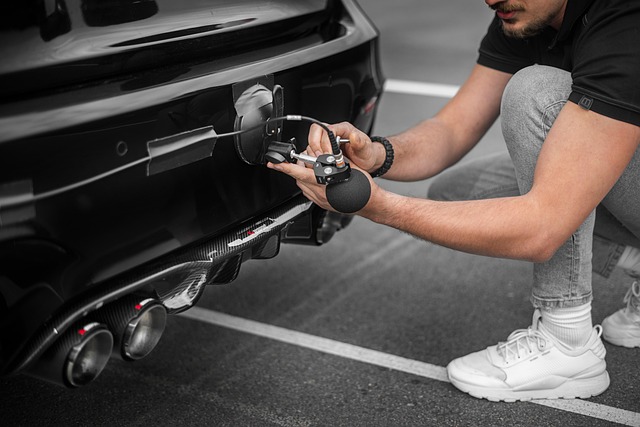
Paying your registration fees and receiving your license plate are crucial steps in registering a car in California. After completing the initial application process at the Department of Motor Vehicles (DMV), the next step involves settling the required fees, which vary based on vehicle type and age. This fee includes a registration charge and a vehicle inspection fee, ensuring your car meets safety and emissions standards. The DMV offers several payment methods, including cash, debit, or credit cards. It’s advisable to verify the exact amount due through the official DMV website or by contacting a local office, as fees can change.
Once your fees are paid, you’ll be issued a license plate. In California, license plates are typically assigned based on the vehicle identification number (VIN). The VIN is a unique code that identifies your car’s make, model, and year. To streamline this process, consider utilizing a mobile VIN verification service, which allows for remote inspection of your vehicle’s history, including any outstanding issues or recalls. This is particularly useful if you’re purchasing a used car, as it provides peace of mind. Examples of reputable mobile VIN verifiers can be found online, offering convenient and accurate checks.
Before receiving your plates, your vehicle must pass a state-mandated inspection. This involves checking emissions and safety systems. Many California locations now offer mobile VIN inspectors who can perform this service at your convenience, whether at home or work. These inspections are crucial to ensure your vehicle complies with environmental and safety regulations. Data shows that proper maintenance through regular inspections can prevent up to 40% of pollution from on-road vehicles, underscoring the importance of this step in the registration process.
Registering a car in California involves several key steps, from gathering essential documents to completing DMV VIN verification. By following a structured process, including preparing the Title Transfer and Registration Application, you ensure a smooth registration experience. The article’s insights empower readers to navigate this administrative task efficiently, underscoring the importance of proper documentation and accurate information. Remember, whether you’re a first-time registrant or transferring ownership, understanding each step, especially DMV VIN verification, is crucial for a successful car registration in California.