
Registering a car in California is not just a bureaucratic step; it’s a critical process ensuring your vehicle’s legality on state roads. However, navigating the requirements can be daunting, particularly with ever-changing regulations. This comprehensive guide aims to demystify the process, empowering you to efficiently register your vehicle. We’ll delve into every step, from gathering essential documents to understanding fees, and provide expert insights on crucial aspects like DMV VIN verification. By the end, you’ll be equipped to confidently navigate California’s registration process, ensuring a smooth ride towards legal roadworthiness.
- Prepare Necessary Documents for Car Registration
- Visit Your Local California DMV Office or Use Online Services
- Complete Vehicle Identification Number (VIN) Verification
- Pay Registration Fees and Taxes
- Receive Your Vehicle's Registration Certificate and License Plate
Prepare Necessary Documents for Car Registration

Registering a car in California involves several steps, and preparing the right documents is crucial for a smooth process. One of the initial tasks is to gather all necessary paperwork, which includes both traditional documents and those specific to California’s requirements. A key component of this preparation is ensuring accurate and up-to-date Vehicle Identification Number (VIN) information. The California Department of Motor Vehicles (DMV) requires VIN verification as part of the registration process, a step that can be efficiently completed using a mobile VIN verifier for convenience and precision.
To begin, collect your vehicle’s title, which is typically provided by the previous owner or manufacturer. This document is essential for verifying ownership. Additionally, you’ll need a current insurance card displaying proof of coverage for your car. An often-overlooked yet critical component is the DMV form, specifically designed for VIN verification. Here, you’ll input detailed vehicle information, including the VIN, which can be conveniently obtained through a mobile VIN inspection tool. These tools allow for quick and accurate retrieval of a vehicle’s history, ensuring all data is current and valid.
Among the other documents required are registration fees, typically paid via cash, check, or credit card. It’s advisable to confirm the exact fee amount with a local DMV office, as costs can vary slightly. Some states also mandate passing a smog test, which certifies your vehicle meets environmental standards. Ensure your car is up to date on all necessary inspections before proceeding. Proper documentation preparation, including utilizing mobile VIN verification methods, sets the stage for a seamless car registration experience in California.
Visit Your Local California DMV Office or Use Online Services

Registering a car in California involves several steps, but visiting or using services at your local California DMV (Department of Motor Vehicles) office can streamline the process significantly. This approach offers both efficiency and convenience for residents who wish to legally operate their vehicles on California roads. One key step in this process is ensuring accurate vehicle identification number (VIN) verification, which can be easily facilitated through the DMV or even with a mobile VIN verifier.
When you visit your local DMV office, bringing along the necessary documents, such as proof of ownership and current registration, is crucial. Additionally, many DMVs now offer online services that allow you to register your vehicle remotely. This includes conducting a DMV VIN verification, which checks the vehicle’s history to ensure it complies with state standards. Online platforms can provide real-time updates on any potential issues related to the VIN, making the registration process faster and more straightforward. For instance, mobile VIN inspection apps or services allow users to verify their vehicles’ histories from anywhere, ensuring a hassle-free experience.
Using a mobile VIN verifier, whether for initial registration or subsequent inspections, offers several advantages. These tools can provide instant access to detailed vehicle history reports, including any reported accidents, odometer rollbacks, or outstanding loans. This proactive approach helps prevent fraud and ensures the integrity of California’s automotive registry. For example, a study by the DMV found that approximately 10% of vehicles inspected through mobile VIN services had discrepancies in their records, underscoring the importance of accurate verification. By adopting these digital solutions, both DMV offices and individual vehicle owners can contribute to maintaining a transparent and secure automotive landscape.
Complete Vehicle Identification Number (VIN) Verification
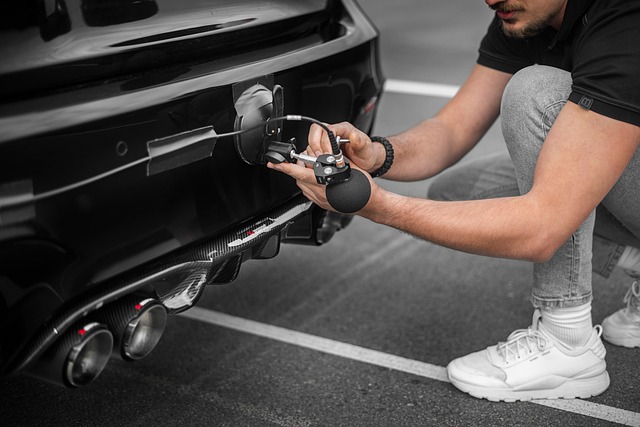
Registering a car in California involves several stringent procedures, and one of the critical steps is ensuring accurate Vehicle Identification Number (VIN) verification. The California Department of Motor Vehicles (DMV) requires this process to confirm that your vehicle’s VIN matches the information on record and prevent fraud. This meticulous inspection plays a pivotal role in maintaining the integrity of the state’s motor vehicle database.
The process typically begins with obtaining a mobile vin inspection or using a reputable mobile vin verifier. These services provide on-site, convenient, and efficient VIN verification, eliminating the need for lengthy visits to DMV offices. By employing cutting-edge technology, these mobile inspectors can swiftly cross-reference your vehicle’s unique VIN against the vast database of the California DMV. This ensures that the details correspond precisely, including the make, model, year, and other critical attributes. For instance, a study by the California DMV revealed that about 10% of attempted registrations involved vehicles with discrepancies in their VINs, underscoring the importance of this verification step.
Once your vehicle passes the initial VIN inspection, you can proceed with the registration process. It’s crucial to stay diligent and ensure all documentation is accurate and up-to-date, as any mismatches or errors during this phase may result in delays or rejections. By adhering to these stringent protocols, California drivers contribute to a robust and secure vehicle registration system, fostering safer roads for everyone.
Pay Registration Fees and Taxes

Registering a car in California involves several crucial steps, and one of the most significant is paying the registration fees and taxes. These costs vary based on vehicle type, age, and emissions standards, among other factors. The California Department of Motor Vehicles (DMV) offers several payment options, including online, by mail, or in-person at a DMV field office.
For those who prefer convenience and time-saving solutions, a mobile vin inspection or mobile vin verification service can be immensely helpful. These services send a qualified inspector to your location, performing a thorough check of your vehicle’s VIN (Vehicle Identification Number) to ensure its authenticity and condition. This step is particularly important as the DMV relies on accurate VIN data for their records and verification processes. For instance, an inspection might uncover hidden damage or identify issues with the odometer reading, which can be critical in determining fair registration costs.
In addition to registration fees, various taxes come into play. The California sales tax is typically around 7.25% of the vehicle’s purchase price, while other taxes may apply depending on the make and model. It’s essential to understand these tax implications, especially when purchasing a used car, as they can significantly impact the overall cost of ownership. For example, a $10,000 vehicle might incur over $700 in sales tax alone, not including any additional fees or surcharges. Therefore, planning and budgeting for these expenses are vital to ensure a smooth registration process.
Receive Your Vehicle's Registration Certificate and License Plate

After completing your California car registration application at the Department of Motor Vehicles (DMV), the next step involves receiving your vehicle’s official registration documents and license plates. This process is a crucial part of ensuring your vehicle complies with state regulations and can legally operate on California roads. Upon submission of your application, the DMV will conduct a thorough inspection, which includes a Vehicle Identification Number (VIN) verification to ensure the vehicle’s details match the information provided.
One of the key documents you’ll receive is the Registration Certificate, which provides essential information about your vehicle, including its make, model, year, and VIN. This certificate serves as legal proof of registration and ownership. Alongside this, you’ll be issued California license plates that must be securely fastened to your vehicle. These plates are a vital component of road safety and identification, making it easier for law enforcement to recognize registered vehicles.
For added convenience, many counties in California offer mobile VIN inspection services, allowing you to verify your vehicle’s identity without visiting a DMV office. This service is particularly useful if you’re preparing to sell your car or transferring ownership. By utilizing these resources, you can streamline the registration process and ensure a smooth experience when receiving your official documents and license plates.
Registering a car in California involves several straightforward steps, ensuring vehicle legality and ownership security. Key takeaways include preparing essential documents, visiting or using online services at your local DMV, completing a crucial dmv VIN verification process, paying applicable fees and taxes, and finally receiving your registration certificate and license plate. By diligently navigating these stages, California residents can efficiently ensure their vehicles are properly registered, benefiting from enhanced legal protection and convenience in the process.